
There are two ways to make a design decision:
You can make it because you’re ready to make it.
Or you can make it because someone is standing in the doorway asking, “What do you want us to do here?”
I strongly prefer the first one.
Making design decisions early isn’t just about keeping your project organized. It can save you from some surprisingly expensive problems later.
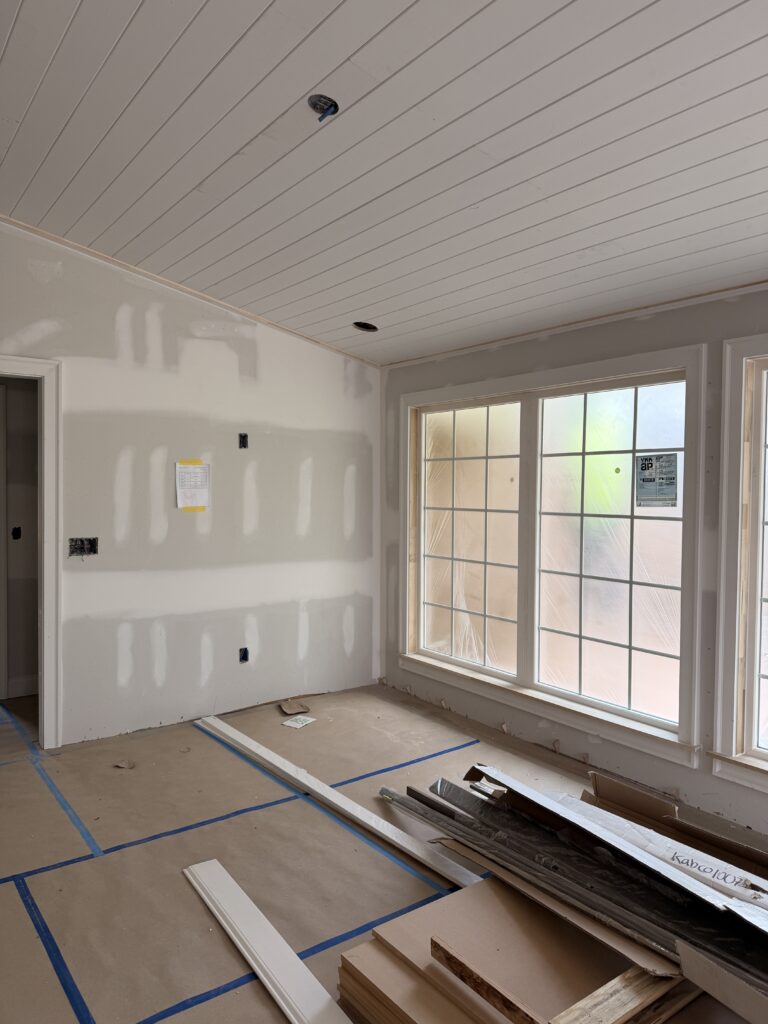
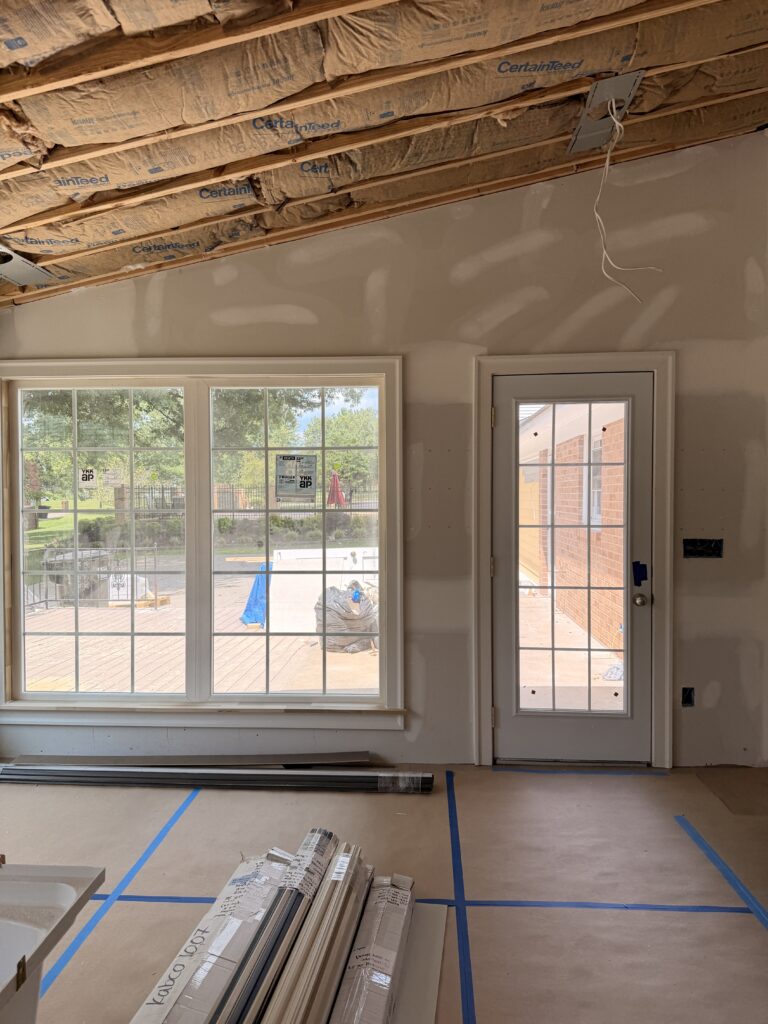
Changes Get Expensive Once Construction Starts
Before something is installed, changing your mind is usually a design decision.
After it’s installed, changing your mind can become a construction project.
I’ve been brought into a partially constructed home where the plumbing rough-ins were already installed, only to discover that the homeowners hadn’t yet selected their plumbing fixtures.
The rough-ins had been installed with a particular plumbing brand in mind. If the homeowners wanted something that wasn’t compatible, the solution wasn’t simply ordering a different faucet. The plumbing would need to be changed inside the wall.
That’s a much more expensive decision to make after the fact.
Mistakes Cost More Than Good Planning
The same thing happens with tile, cabinetry, lighting, and other materials.
A miscommunication can mean something needs to be reordered. An incorrect measurement can mean something needs to be remade. A decision made too late can mean paying for expedited shipping because the original lead time is no longer an option.
I’ve seen an entire shower have to be reordered and reinstalled because of an installation miscommunication.
Those are costs that don’t exist when the decisions are made thoughtfully and coordinated correctly from the beginning.
Rushing Creates Its Own Problems
Construction moves quickly once it gets going.
And when decisions aren’t made ahead of time, everyone starts working in reaction mode.
The builder needs an answer. The electrician needs an answer. The cabinetmaker needs an answer. Suddenly you’re making a decision you’ve never had time to think through because construction can’t wait.
That’s when mistakes happen.
It’s also when homeowners end up choosing something they don’t actually love simply because it’s the option that can arrive in time.
Lead Times Matter
The beautiful light fixture you love may have a 12-week lead time.
Your custom cabinetry may take several weeks to produce.
Your plumbing fixtures may need to be ordered well before installation.
These things don’t become urgent because you forgot about them. They become urgent because the construction schedule keeps moving.
Planning ahead gives you options.
Waiting until you need something means you’re often choosing from what’s available, not necessarily what you actually want.
Your Time Is a Cost, Too
There is also a cost that doesn’t show up on an invoice: your time and your headaches.
A well-planned project doesn’t mean nothing will go wrong. Construction is construction.
It means you have a plan, decisions are made before they’re needed, and when something unexpected does happen, you’re solving a problem instead of scrambling to make a decision.
That’s a big part of what I do for my clients.
I’m not just helping you choose beautiful things. I’m thinking ahead about what needs to happen, when it needs to happen, and what decisions could create problems later.
The goal isn’t to make every decision as early as possible. It’s to make the right decisions before they become urgent.
And that’s almost always the less expensive—and much less stressful—way to build or renovate a home.