

One of the first things I tell clients is that there isn’t a universal number for what an interior design project should cost.
And honestly, there shouldn’t be.
Every project is different. The scope is different. The house is different. The level of customization is different. And the way each client wants to invest in their home is different.
Instead of asking, “How much does an interior designer cost?” I think the better question is:
“How do I create a realistic budget for the home I want?”
Your Design Should Inform the Budget
This is why I have a dedicated budget and design direction meeting with my clients.
I give each client a budget guide that breaks down realistic ranges for different areas of the home—from cabinetry and countertops to tile and lighting.
Then we talk through what they’re actually wanting.
If you love Calacatta marble countertops, for example, we’ll talk about what that material realistically costs. If that isn’t a number you’re comfortable spending, that’s okay. We can find another direction that gives you the look and feeling you’re after without forcing the rest of the project to suffer for one decision.
The goal isn’t to spend the most.
It’s to create a realistic budget that you feel comfortable with and use that budget as effectively as possible.
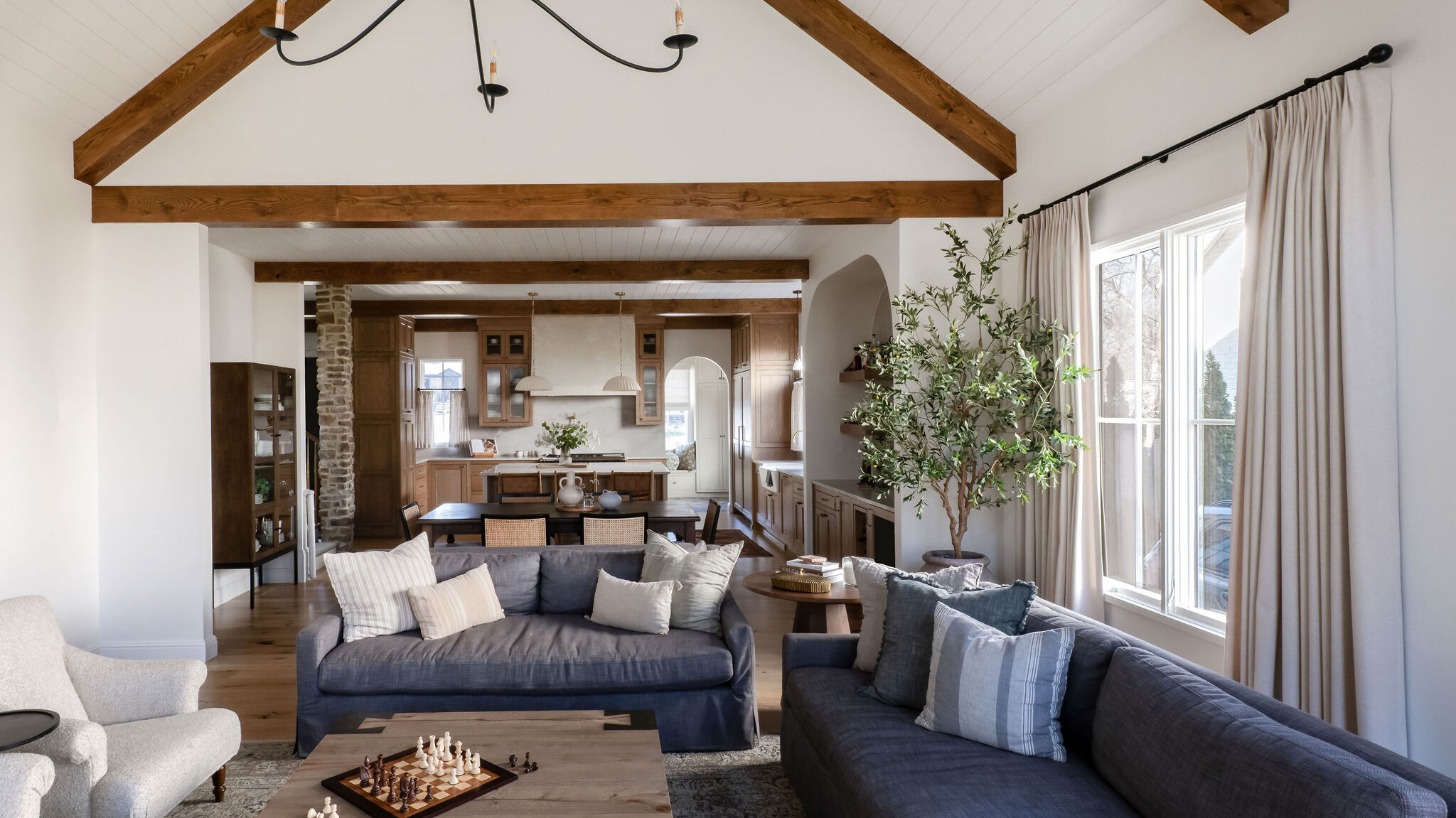
Your Designer Isn’t Supposed to Save You Money
This is an important distinction.
Interior design is a luxury service. My job isn’t to spend your money for you, and it isn’t necessarily to save your money.
My job is to guide you.
There are places where I absolutely think you can be conservative. Secondary spaces are often a good place to pull back, and there are design decisions where spending more simply doesn’t make sense for the way you use your home.
But construction, cabinetry, plumbing, lighting, and other foundational decisions are investments for a reason.
Sometimes trying to save money upfront creates a much more expensive problem later.
The Cheapest Option Isn’t Always the Least Expensive
This applies to your builder, your materials, and sometimes even your timeline.
Choosing the least expensive builder doesn’t necessarily mean your project will be less expensive. A lower upfront number can come with mistakes, miscommunication, or quality issues that cost you later.
I’ve seen an entire shower have to be reordered and reinstalled because of an installation miscommunication.
Those are the costs that don’t show up in the original estimate.
And then there’s the cost of your time and headaches, which should be part of the equation too.
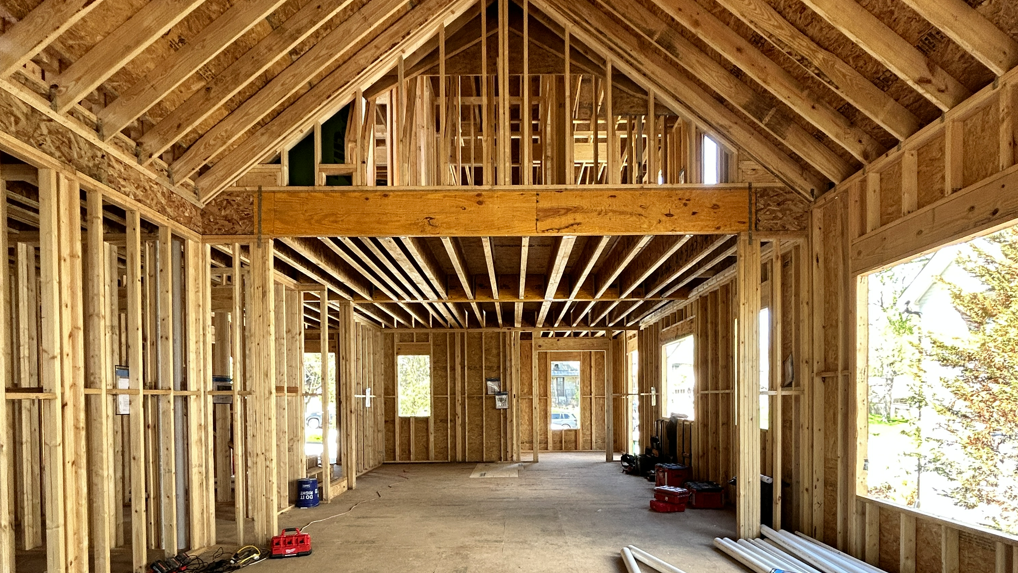
Good Design Helps You Spend Intentionally
I don’t believe good design means spending more everywhere.
It means knowing where to invest and where not to.
Sometimes that means choosing a beautiful, high-quality material for the space you’ll use every day and being more conservative somewhere else.
Sometimes it means catching a problem before construction so you don’t have to pay to fix it later.
Sometimes it means telling you that the thing you really want isn’t worth the cost—and giving you another option you love just as much.
That’s the value of having someone looking at the entire project instead of making each decision individually.
At the end of the day, your designer should help you create a realistic budget, guide you through the decisions, and make sure you’re using your investment intentionally.
Not spending your money for you. Not saving your money for you. Helping you spend it well.
You don’t have to figure it all out yourself.
If you’re ready to start planning your next project, I’m here to help you make sense of the process, create a realistic budget, and make confident decisions along the way.