

Choosing tile can feel overwhelming quickly.
Most people focus on the tile itself, but the layout is often what changes the look and feel of a space. The same tile can feel traditional, modern, playful, or classic simply based on how it’s installed.
If you’re planning a renovation and keep hearing terms like “stacked,” “herringbone,” or “running bond,” here’s a quick guide to some of the most common tile layouts.
Stacked
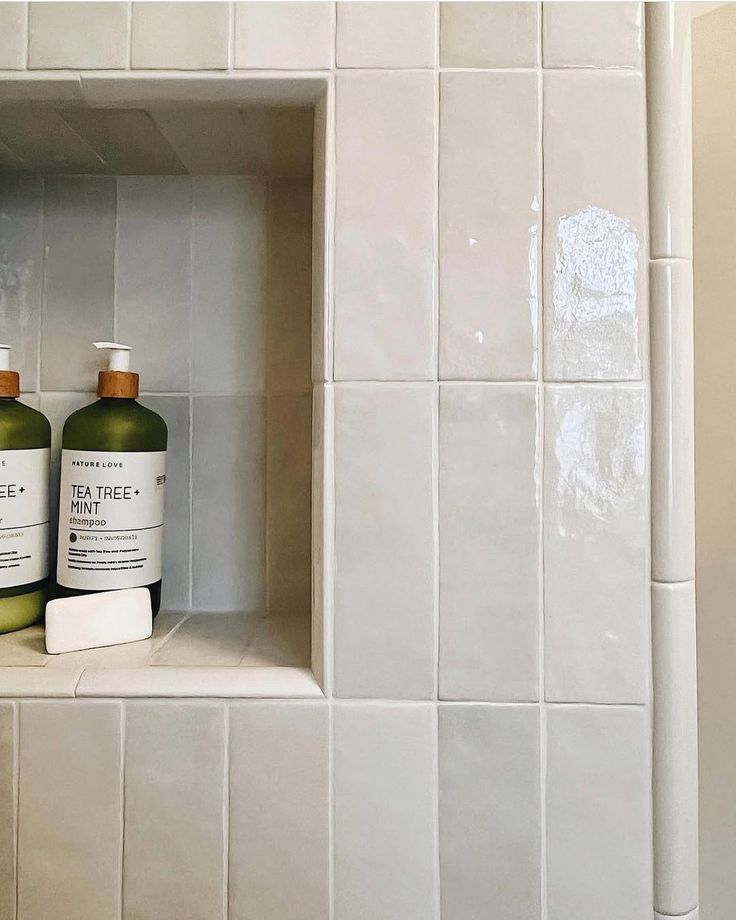
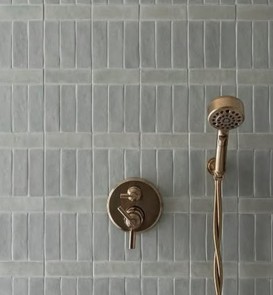
A stacked layout places tiles directly on top of one another so the grout joints align.
This can be installed:
- Horizontally
- Vertically
- In a grid pattern
Stacked layouts often feel clean, modern, and intentional.
Running Bond (Brick Pattern)
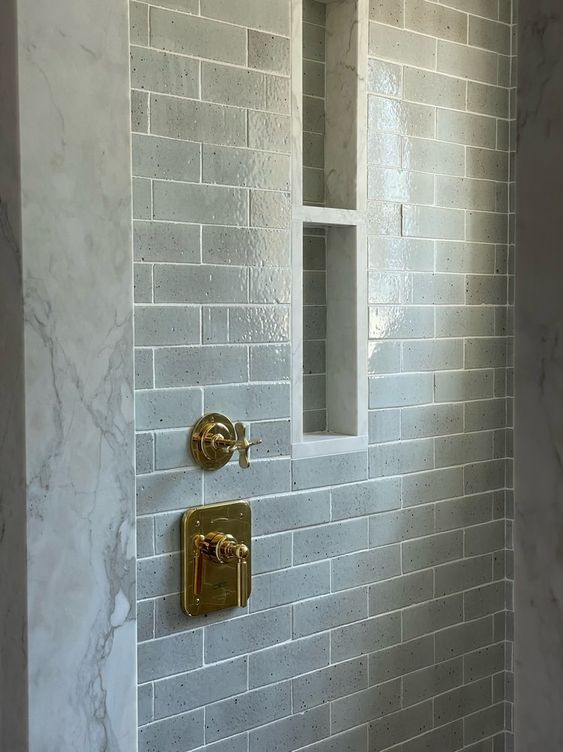
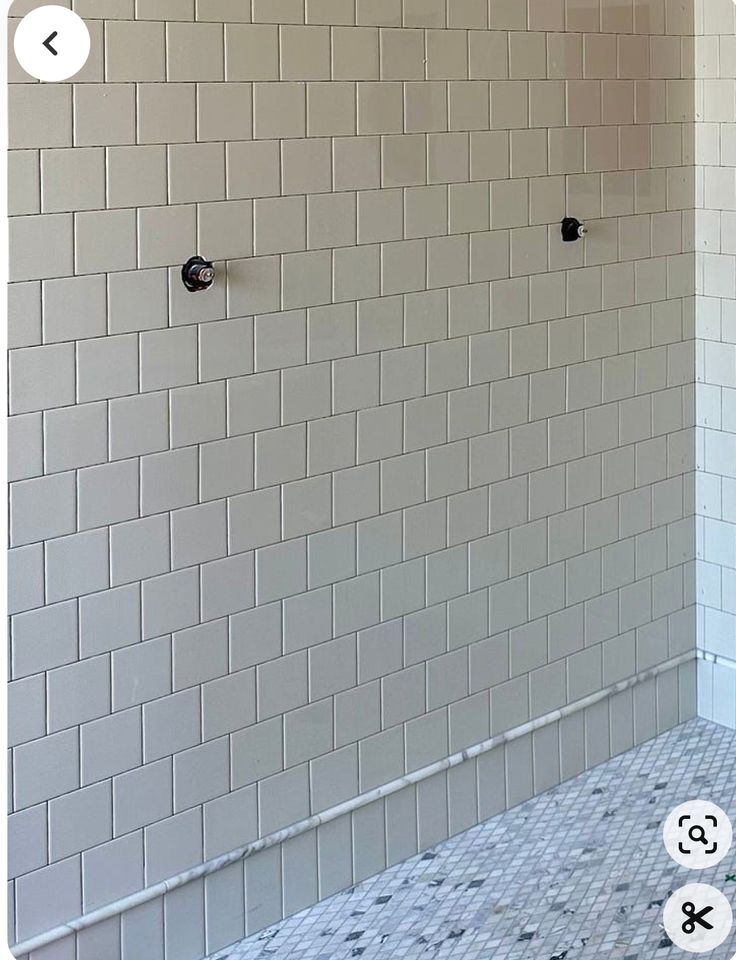
This is one of the most recognizable tile patterns.
A running bond layout offsets each row from the one above and below it.
Common variations include:
- 50% Offset (Half Lay) – Each tile starts at the center of the tile below.
- 33% Offset (Third Lay) – A softer, more contemporary version.
- 25% Offset (Quarter Lay) – Creates movement while minimizing long diagonal lines.
The amount of offset can dramatically change the overall look.
Herringbone
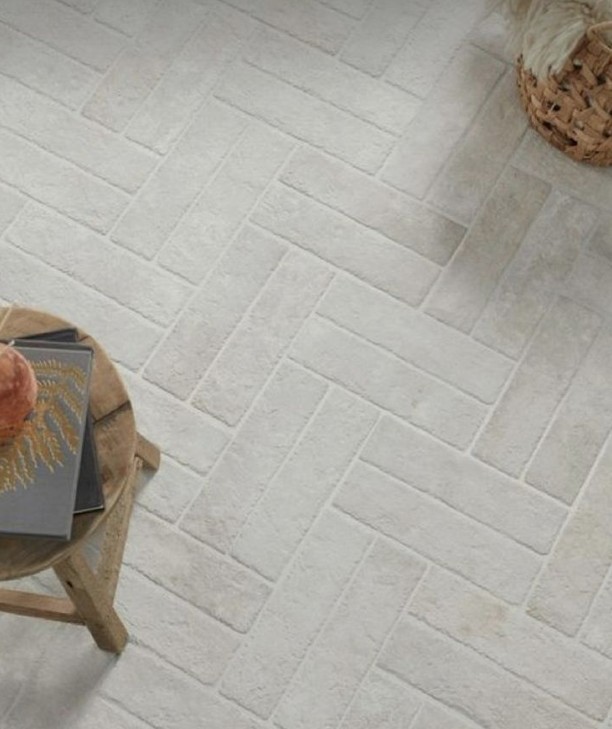
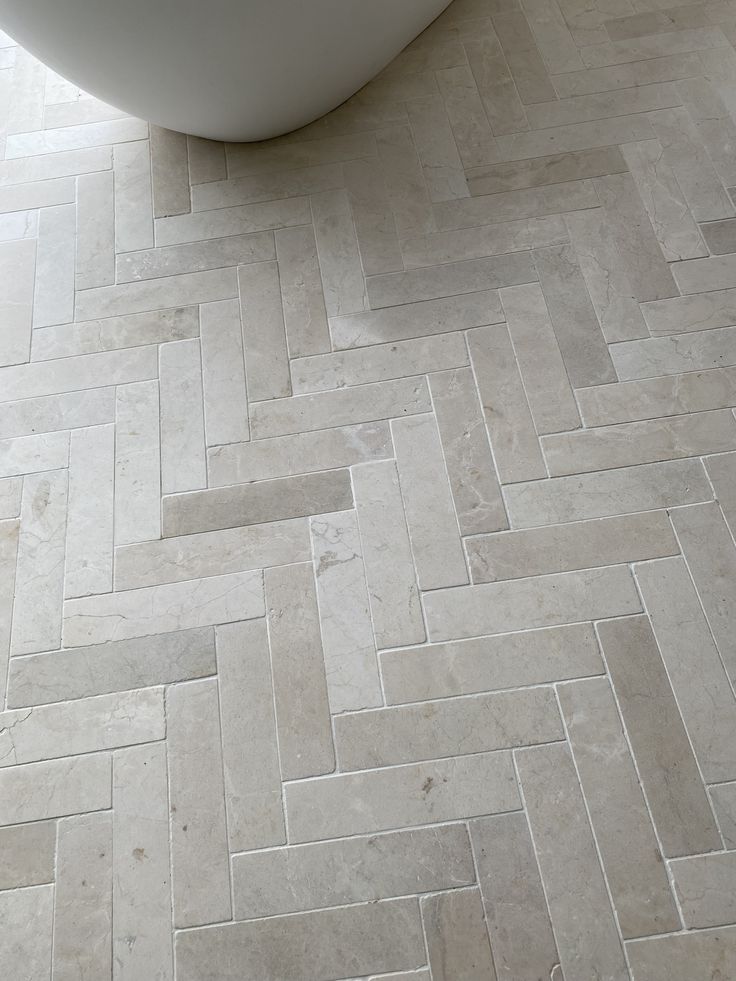
Herringbone is created by arranging rectangular tiles in a repeating V-shaped pattern.
What many people don’t realize is there are several ways to install it:
- Traditional herringbone
- Vertical herringbone
- Diagonal herringbone
- Double herringbone
Each creates a completely different feel while using the same tile.
Checkerboard
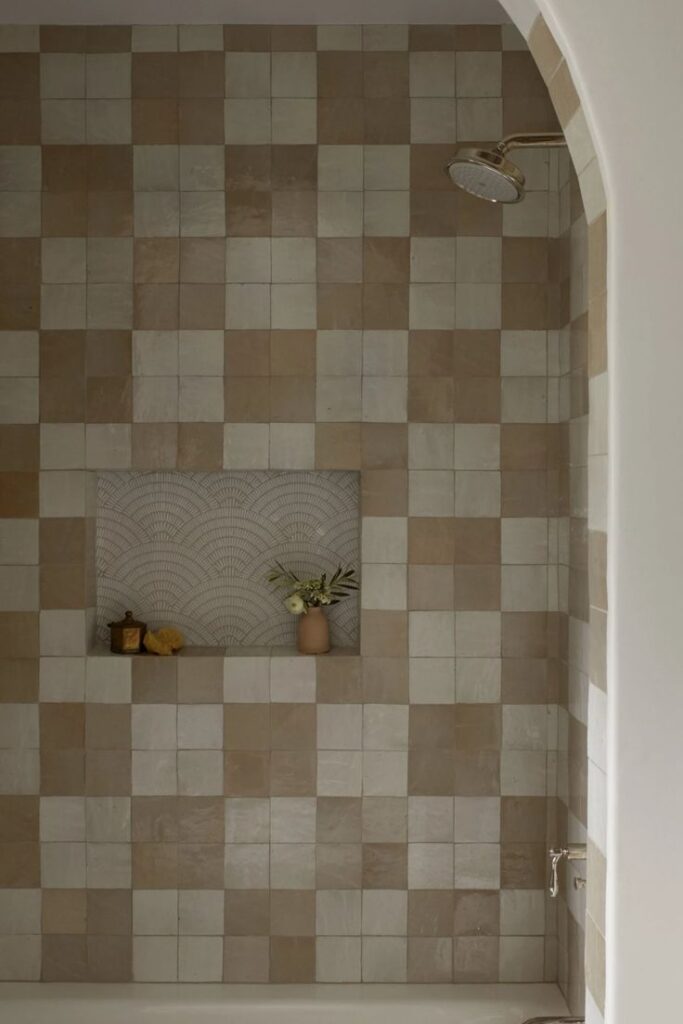
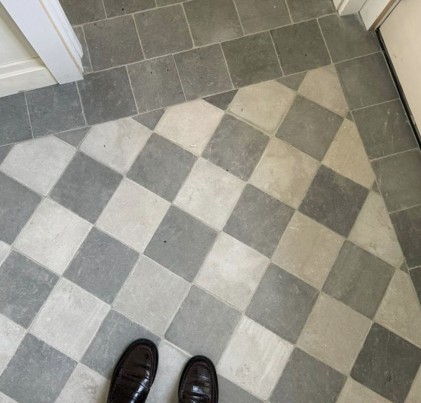
A checkerboard pattern alternates two tile colors or materials.
While often associated with traditional homes, it can feel surprisingly fresh when done with softer tones or natural stone.
Basketweave
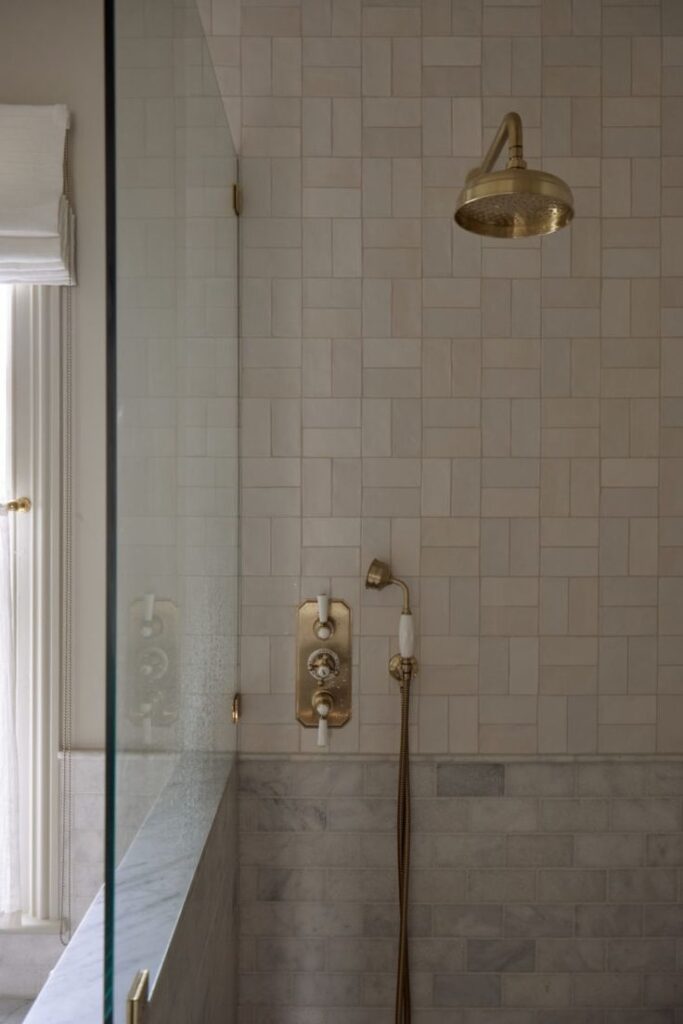
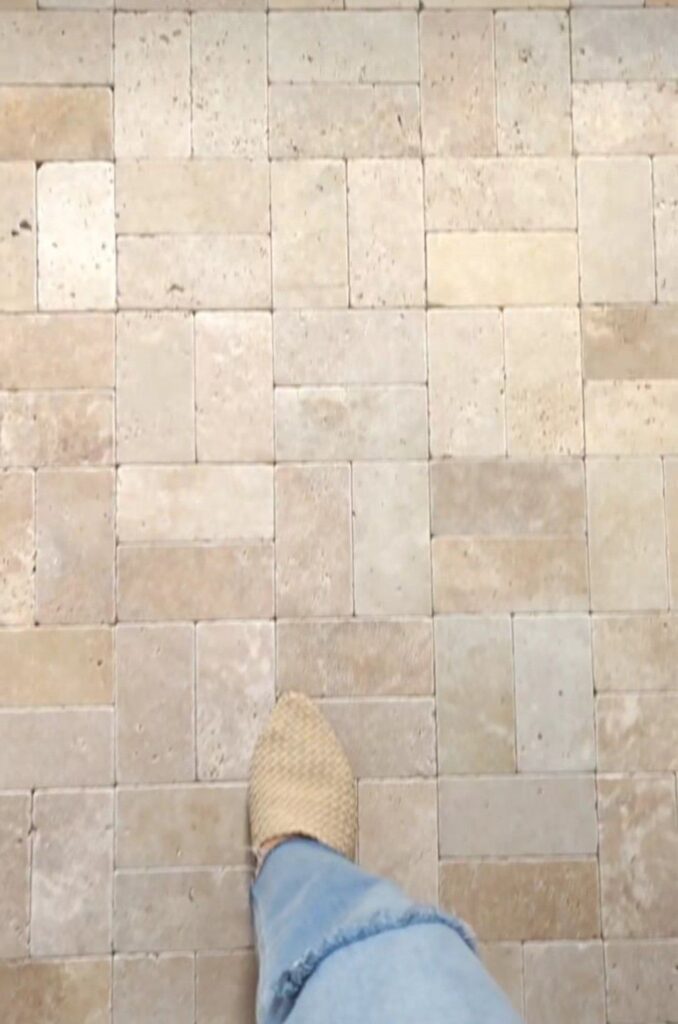
Basketweave patterns create the appearance of woven strips of tile.
This layout has been around for decades and continues to feel timeless, especially in bathrooms.
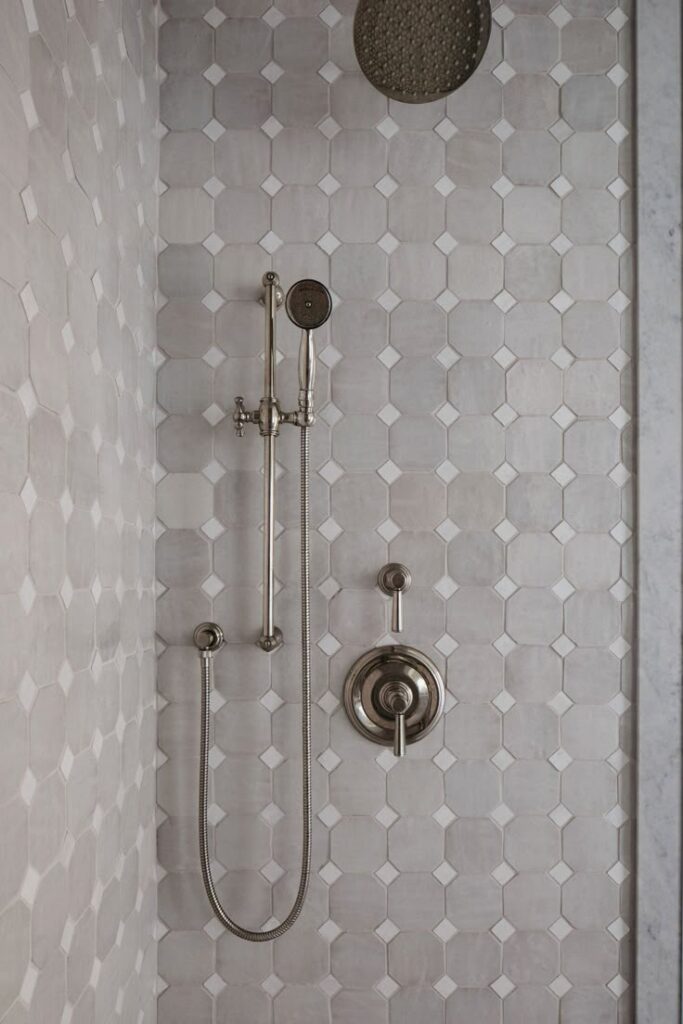
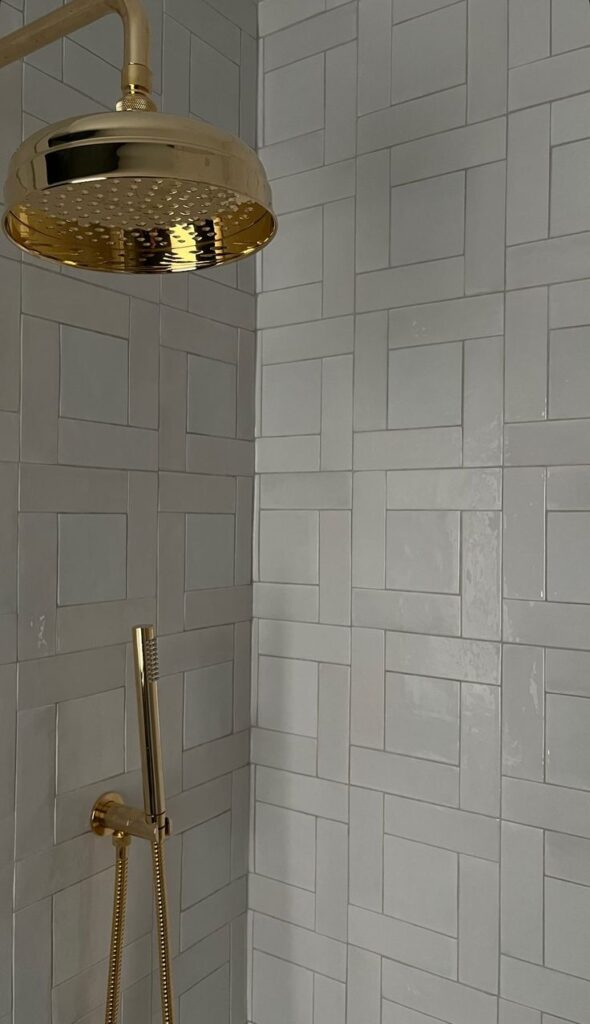
Not every tile installation fits neatly into a named pattern.
Some of my favorite layouts are inspired by the tile itself.
Sometimes a layout is developed specifically for a project, mixing tile sizes, changing directions, or creating a repeating motif that feels unique to the space.
These custom patterns often require more planning and coordination, but they can transform a tile from simply being a finish material into a true design feature.
Why Layout Matters
The layout can completely transform a tile.
I’ve used the same tile in multiple projects and achieved a completely different look simply by changing the installation pattern.
Sometimes a simple, affordable tile becomes the perfect choice because the layout creates the visual interest.
When I’m selecting tile for a project, I’m not just looking at color and material.
I’m considering:
- the architecture of the home
- the size of the room
- the scale of the tile
- where the eye naturally travels
- and how the pattern supports the overall design
Because choosing tile isn’t just about the tile itself.
It’s about how all the details work together.
And sometimes the hardest part isn’t finding the right tile—it’s narrowing down all the possibilities.
Feeling overwhelmed by selections for your renovation or new build?