

When homeowners think about updating their home, they often focus on the obvious design elements—paint colors, furniture, lighting, countertops, and tile. While those selections are important, some of the most impactful design decisions are built directly into the architecture of the home.
Decorative moulding is one of those details.
In fact, one of the quickest ways for a home to feel flat or builder-grade is the absence of architectural character. Decorative moulding adds depth, interest, and personality to a space in a way that paint and furniture simply cannot.
One of the most common misconceptions I hear is that decorative moulding will make a home feel too busy or that it is only appropriate for traditional homes. In reality, moulding has been used in architecture for centuries and continues to evolve alongside modern design. Whether your style leans traditional, transitional, natural modern, or somewhere in between, decorative moulding can help create a home that feels intentional and timeless.
Here are the five decorative moulding details I use most often in my projects.
Crown Moulding
Crown moulding creates a finished transition between the wall and ceiling. While it may seem like a small detail, it can dramatically change how complete a room feels.
I recommend crown moulding in most homes because it adds an extra layer of architectural interest and refinement. The only time I typically omit it is in homes that are intentionally very modern and minimal.
When selecting crown moulding, scale matters. One of the biggest mistakes I see is moulding that is either too large or too small for the room. The profile should feel proportional to the ceiling height and overall architecture of the home.
Personally, I gravitate toward cove profiles and simple modern profiles because they feel timeless and complement a wide range of design styles.
Baseboards
Baseboards may not be the first detail homeowners notice, but they play a significant role in the overall appearance of a room.
The height and profile of a baseboard should always be considered in relation to the ceiling height. For example, tall baseboards can look out of place in a home with standard eight-foot ceilings. As ceiling heights increase, baseboards can become larger and more substantial without feeling disproportionate.
In my projects, I generally prefer simple baseboard profiles that align with a natural modern aesthetic. Clean lines tend to age well and allow other design elements in the room to shine.
One of the biggest reasons trim can feel inexpensive is improper scale or poor installation. Even a beautiful profile can lose its impact if it is not installed correctly.
Picture Frame Moulding
If a homeowner asks me which decorative moulding detail provides the biggest impact for the investment, my answer is almost always picture frame moulding.
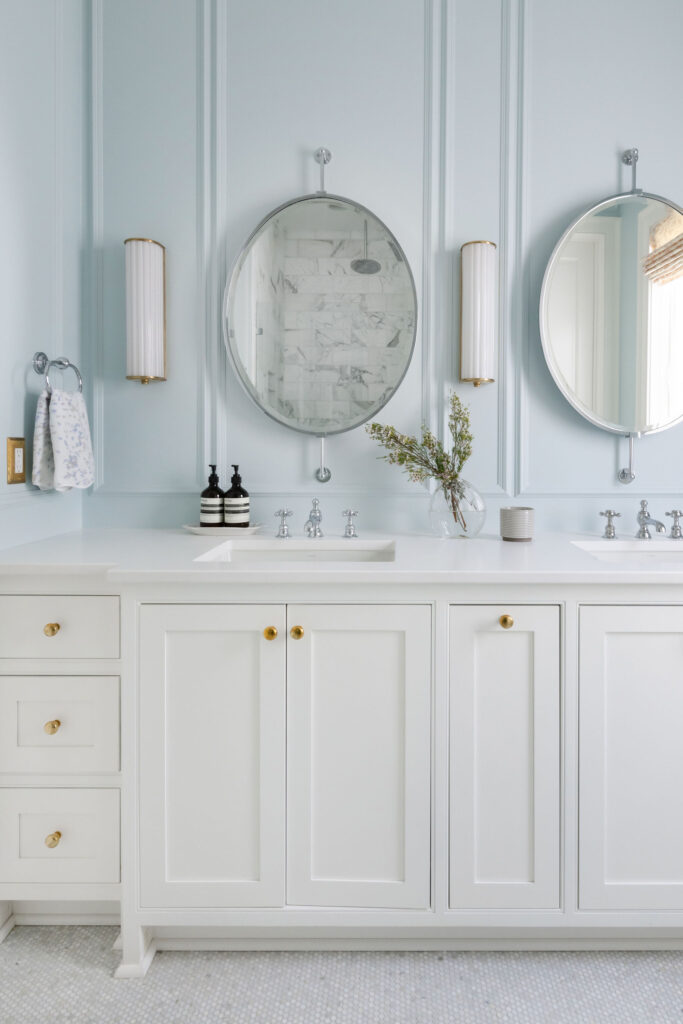
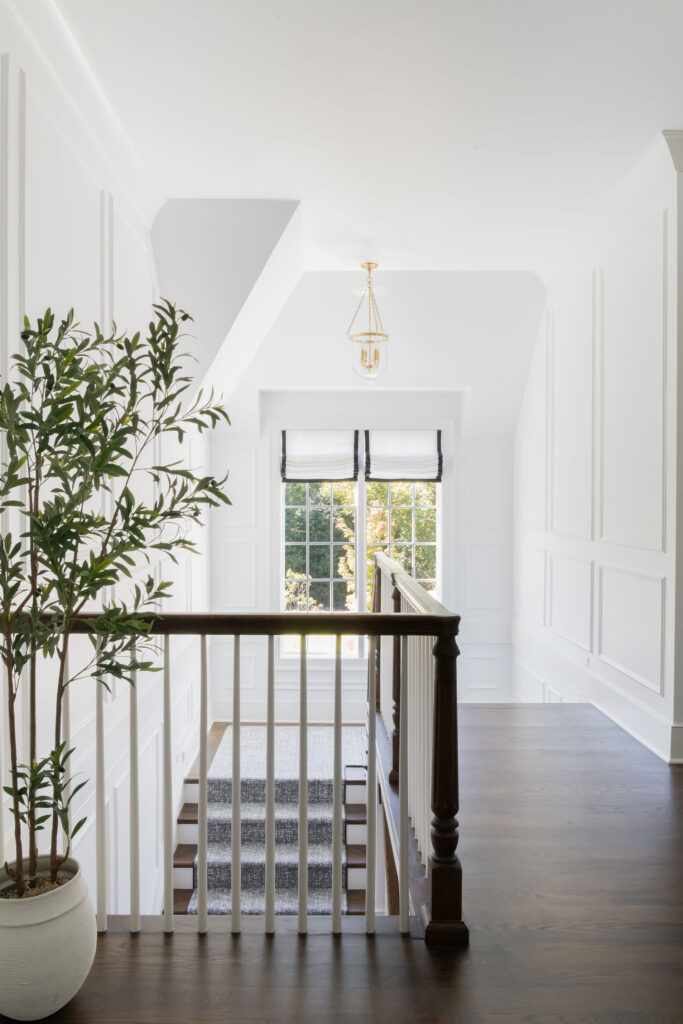
Picture frame moulding adds character and architectural interest to otherwise flat walls. It creates depth, elevates the room, and provides a beautiful backdrop for artwork, mirrors, and furniture.
One of the reasons I love picture frame moulding is its versatility. I’ve incorporated it into entryways, dining rooms, living rooms, hallways, kitchens, bedrooms, and even bathrooms.
In most cases, I prefer painting the moulding the same color as the wall. This creates a sophisticated, layered look where the detail is highlighted by shadow and texture rather than color contrast.
For homeowners looking to introduce architectural character without committing to extensive millwork throughout the house, picture frame moulding in a single room can create a dramatic transformation.
V-Groove Paneling
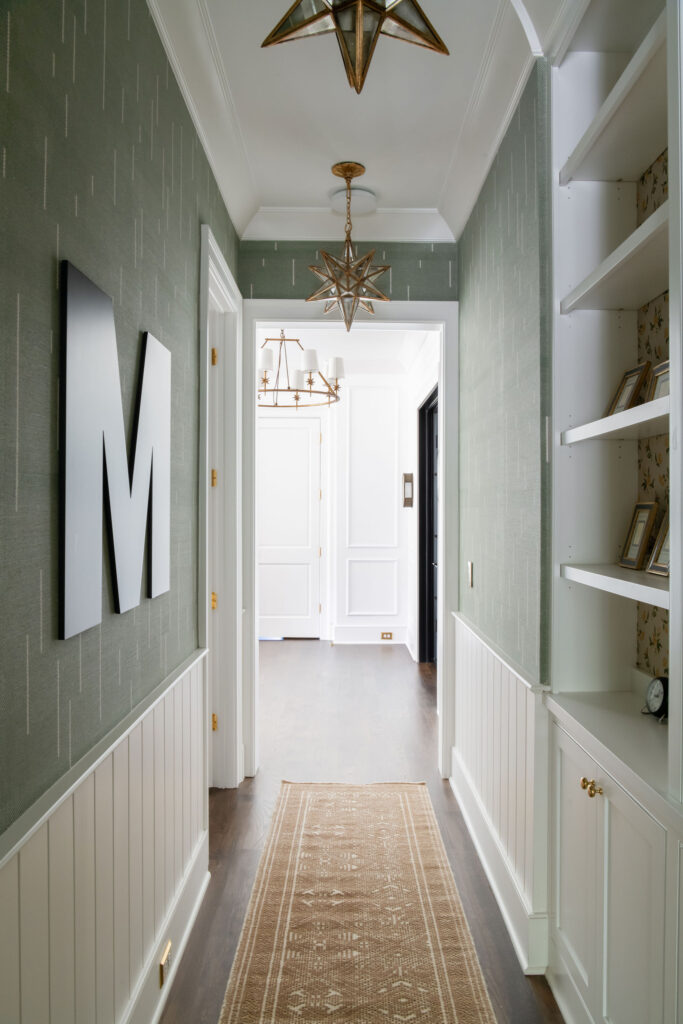
V-groove paneling is another timeless design element that works beautifully in many different styles of homes.
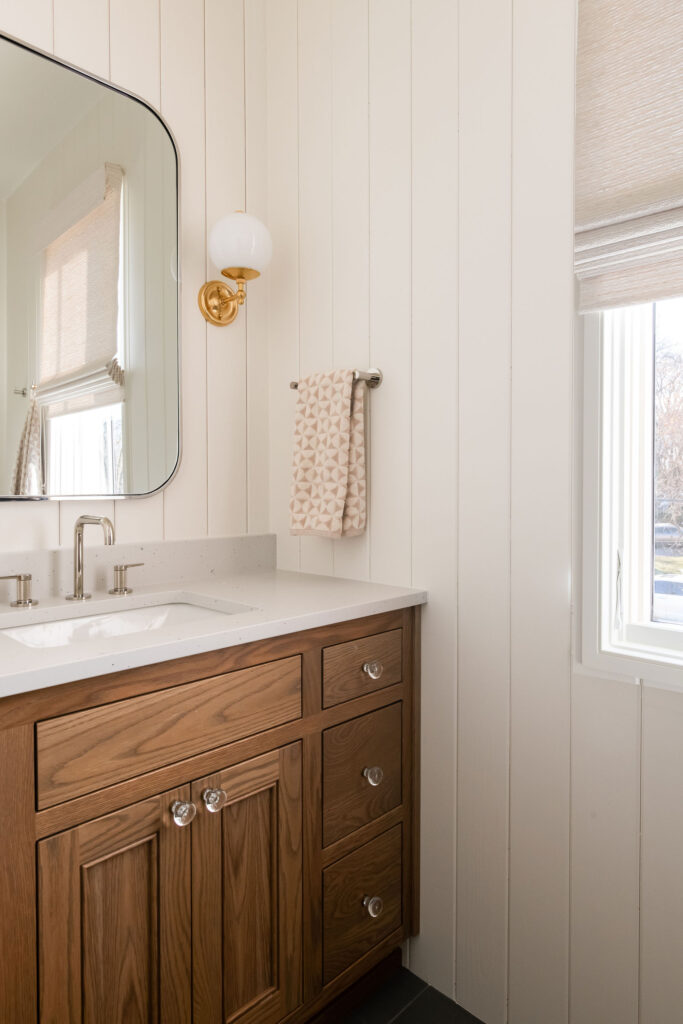
I am particularly drawn to V-groove because of its simplicity. The vertical lines create subtle texture without overwhelming a space, making it a natural fit for both traditional and modern-inspired interiors.
One of the benefits of paneling is that it adds a sense of warmth and coziness that drywall alone often lacks. It can also provide additional durability, making it a practical option in high-traffic areas.
I often use V-groove differently depending on the room. In smaller spaces, I may take it floor to ceiling to create a dramatic effect. In larger rooms, it can be especially beautiful on the ceiling, adding texture and interest overhead.
The key is ensuring that the application supports the overall design plan of the space.
Wainscoting
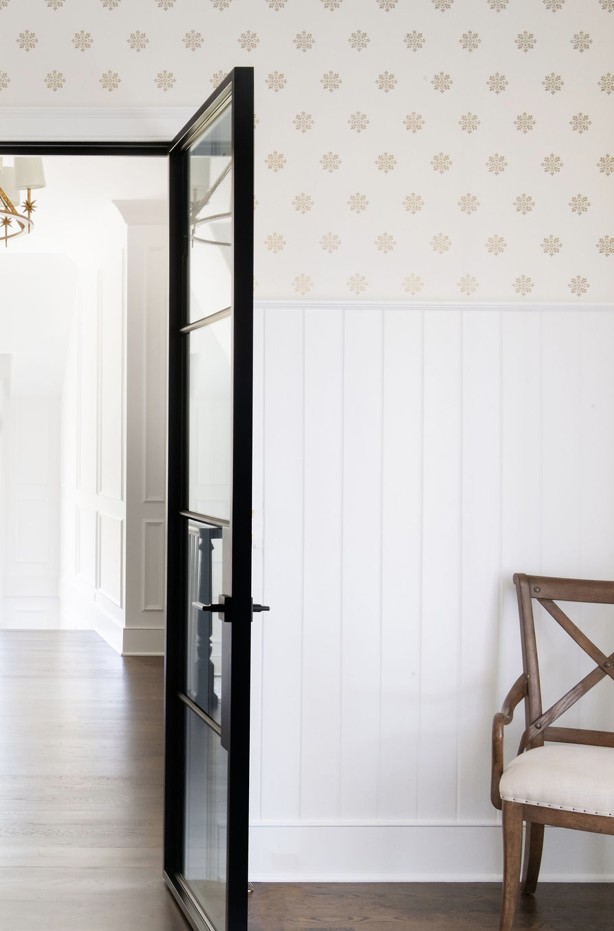
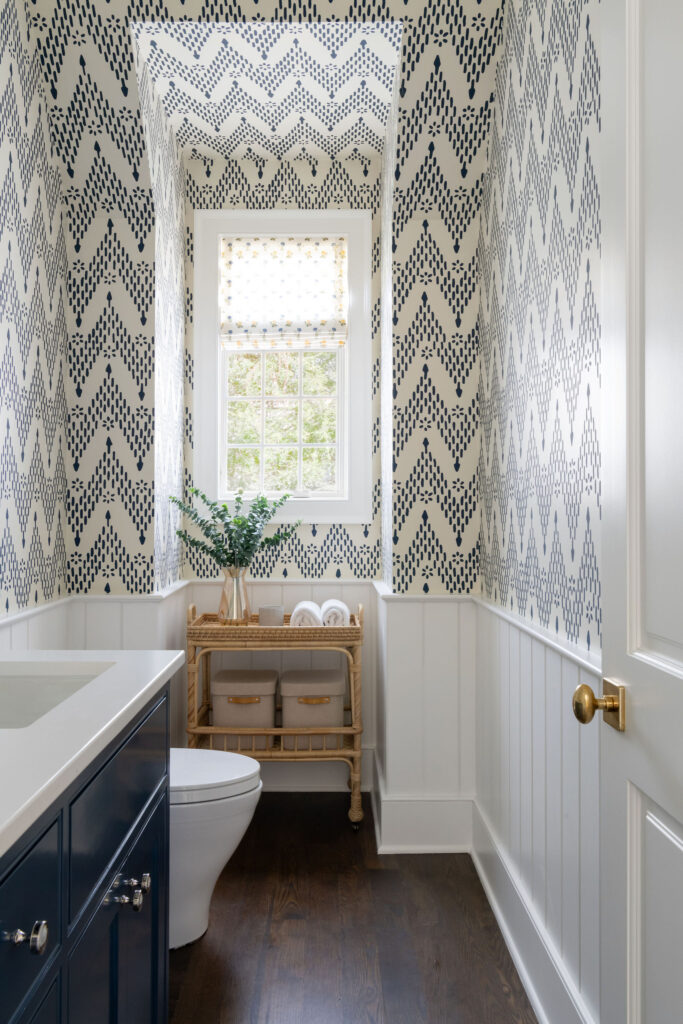
Wainscoting is one of the most flexible decorative moulding applications available because it can be adapted to suit nearly any style of home.
Whether the design calls for a simple panel treatment, board and batten, or a more traditional application, the goal remains the same: adding character and architectural depth.
One of the reasons I frequently recommend wainscoting is that it can be a cost-effective alternative to covering an entire room in wallpaper. By applying a decorative treatment to the lower portion of the wall, homeowners can achieve a custom look while managing their investment.
Wainscoting works beautifully in bathrooms, laundry rooms, kitchens, mudrooms, bedrooms, and hallways. The height varies depending on the design, ranging from traditional applications around 30 to 36 inches high to taller treatments that extend five or six feet up the wall.
The biggest mistake I see is overcomplicating the design. Too many layers of detail can quickly make a space feel fussy rather than timeless.
Decorative Moulding Should Be Part of the Design From the Beginning
One of the biggest differences between a thoughtfully designed home and one that feels pieced together is when these decisions are made.
Decorative moulding should not be treated as an afterthought. In my projects, these details are considered during the concept design phase alongside floor plans, finishes, and furnishings. They are part of the home’s foundation and contribute to a cohesive design from room to room.
When architectural details are planned intentionally, they help create the character that makes a home feel unique, welcoming, and timeless.
Design trends will continue to evolve, but architectural character never goes out of style.
Decorative moulding has been used for generations because it adds depth, warmth, and personality to a home. Whether it’s crown moulding, picture frame moulding, V-groove paneling, wainscoting, or thoughtfully selected baseboards, these details help transform a house from feeling ordinary to feeling custom.
If you’re building a custom home, renovating an existing home, or planning a kitchen or bathroom remodel in the Nashville area, incorporating architectural details early in the design process can make all the difference.
At Graceful Interiors, I believe the quickest way to create a memorable home is through thoughtful design decisions that add character from the very beginning.