

People think renovations go sideways because of the construction… but most of the problems start way before the first hammer swings. The planning stage is where timelines get saved (or wrecked), budgets stay intact (or drift), and confidence either builds or disappears completely. After watching families navigate this process year after year, I’ve noticed the same five mistakes that quietly sabotage projects. Here’s what to avoid before you buy or build.
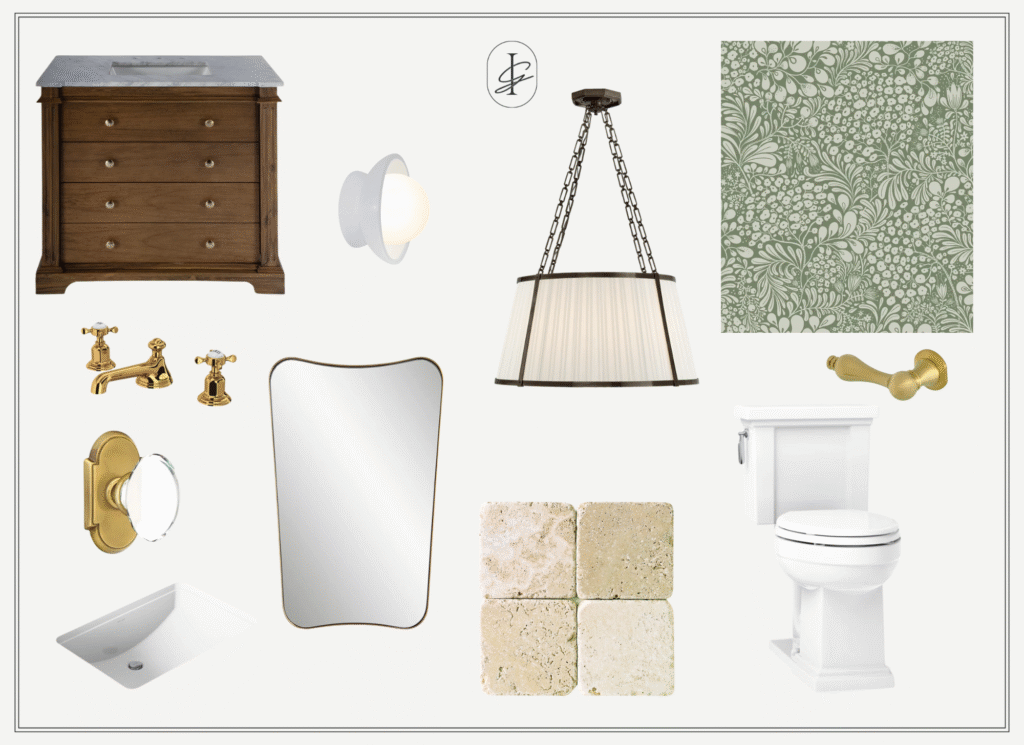
Mistake 1: Not Matching Your Builder to Your Project
This is the first—and arguably most important—decision you’ll make. Believe it or not, there is a wrong person for the job. Many clients pause or prolong their projects because they haven’t taken the time to find the right builder upfront.
For families building a custom home (which is basically the standard now), you need a builder who lives and breathes custom work. Builders who specialize in spec homes may have great subcontractors, but they often underestimate the complexity and cost of custom design. The result? Your product may stay on budget, but labor or materials can run over—and suddenly your project stalls. Choosing the right builder isn’t just about quality—it’s about matching the team to your vision from day one.
Mistake 2: Bringing Your Designer in Too Late
Hiring your designer after plans are finalized is one of the costliest mistakes. Waiting too long often leads to backtracking on floorplans, underbudgeting for materials, or discovering problems that could have been solved early on.
I encourage all my new inquiries to involve me during the planning phase. At Graceful Interiors, I review plans with your architect and builder to make sure your space flows, functions, and reflects your family’s lifestyle. Designers aren’t just decorators—we prevent expensive surprises and ensure your home is cohesive from the start.
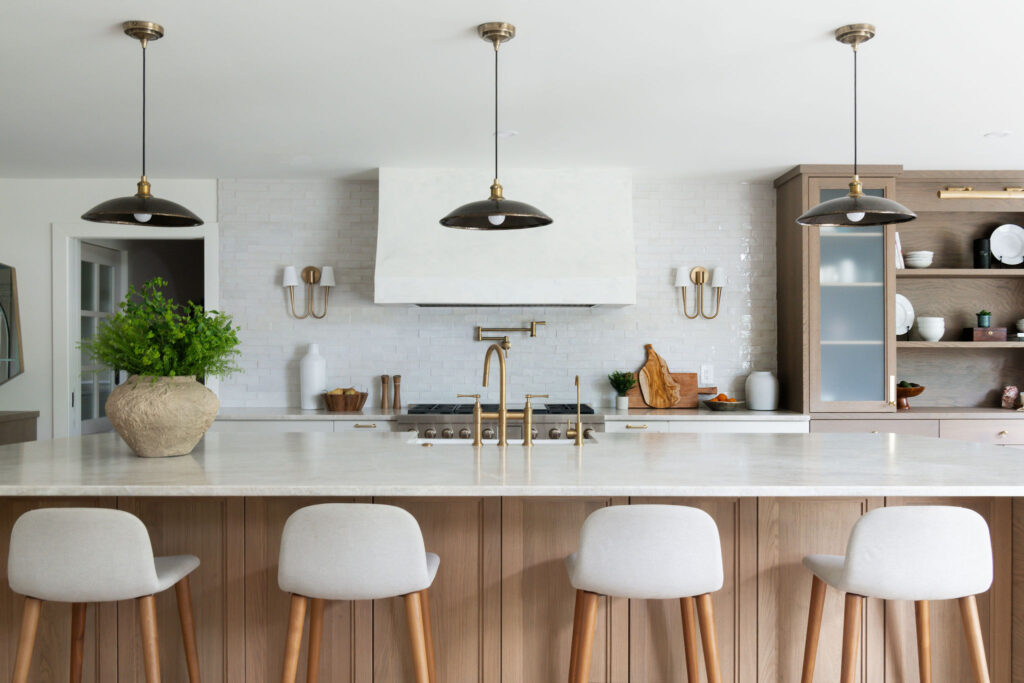
Mistake 3: Rushing Through Architectural + Design Drawings
The foundation of your project is your architectural and design drawings. Rushing this phase is a fast track to extra costs later. While changes during construction are possible, they’re much more expensive than catching issues upfront.
This is why I create 3D renderings for my clients. It’s one thing to look at a 2D floorplan and hope it feels right; it’s another to see it built virtually before breaking ground. During this phase, we consider flow, bedroom sizes, sightlines, storage, and everyday function—so nothing is left to chance.
Mistake 4: Not Considering Phases for Better Budget Control
Not every project needs to be completed in one massive push. Tackling everything at once is often how budgets get blown.
Sometimes it’s smarter to focus on high-use, high-impact spaces like kitchens and bathrooms first, leaving secondary rooms for later. Phasing allows families to:
- avoid rushed decisions
- prevent “filling spaces just to fill them”
- and fully finish each room with intention instead of compromise
Mistake 5: Not Ordering Product Before Construction Begins
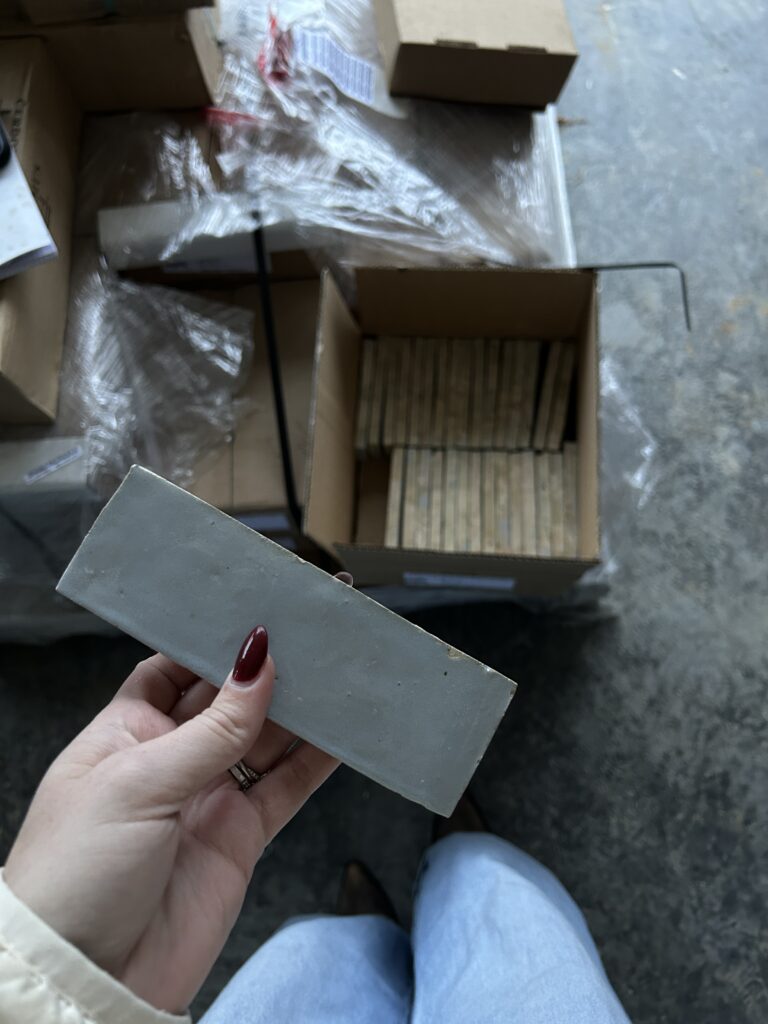
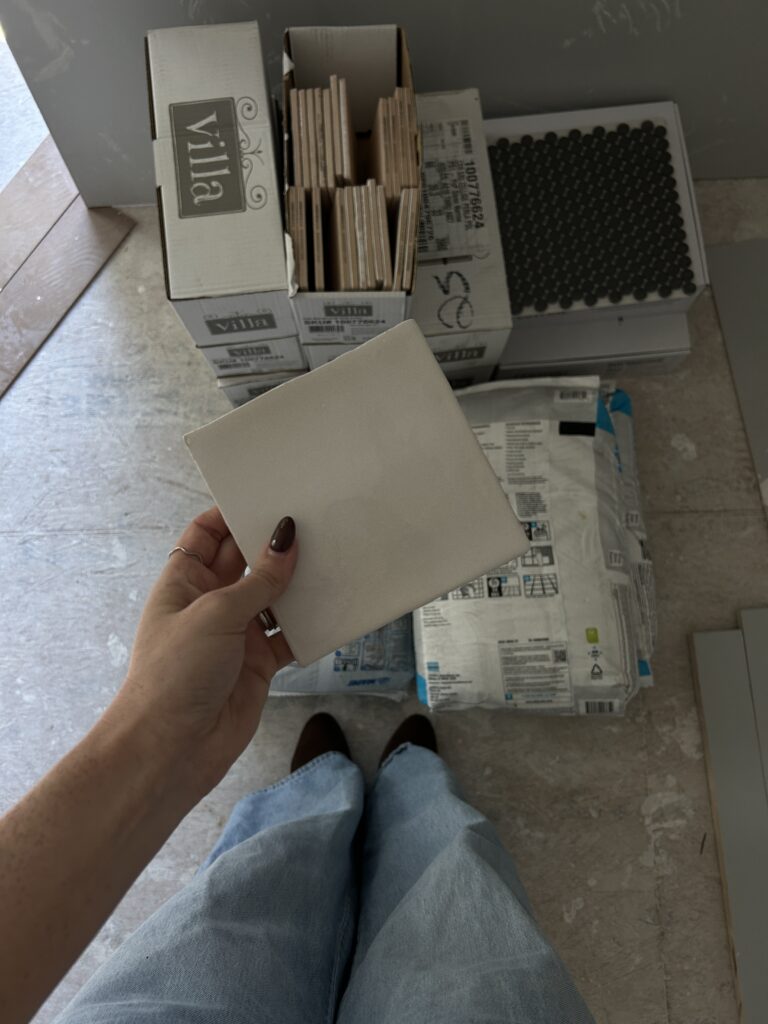
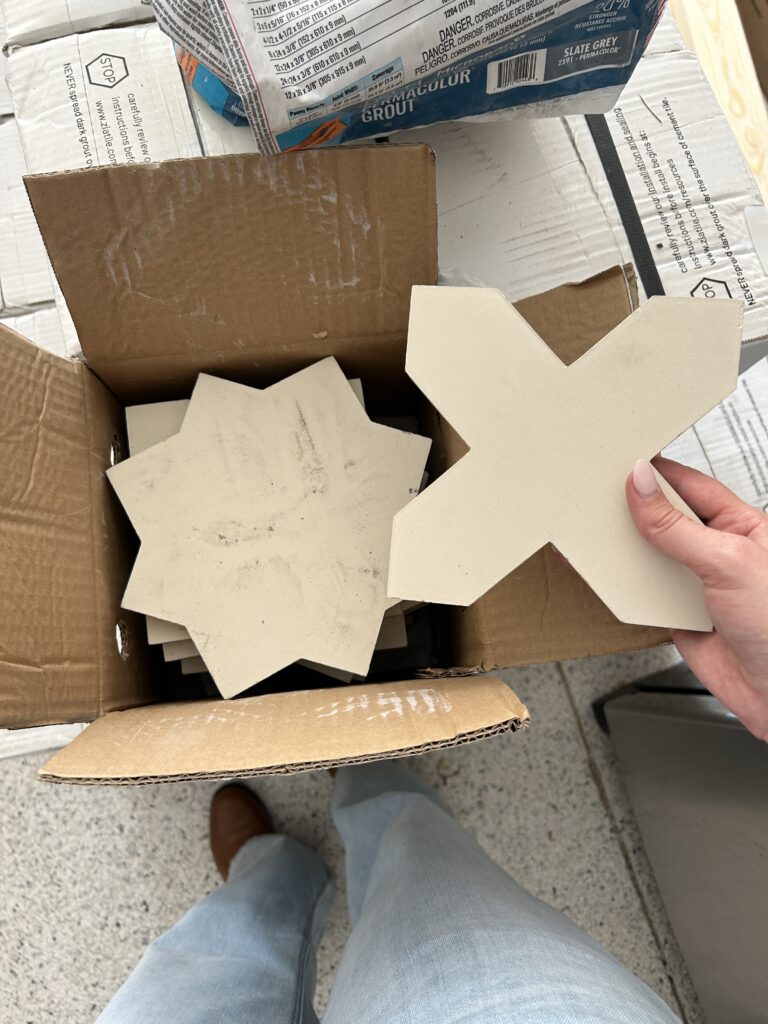
Starting construction without ordering materials is one of the most common—and preventable—causes of delays. Discontinued items, backorders, or contractors waiting on you can derail timelines and increase costs.
I always tell my clients: we order product before construction begins. It keeps the project moving, reduces stress, and ensures everything arrives when it’s needed.
Avoiding these five mistakes will save time, money, and headaches—and give you the confidence to enjoy your renovation instead of constantly reacting to problems. Planning carefully and intentionally is the first step to a home that’s both beautiful and functional.
