

When people think about construction, they picture the visible progress, framing, drywall, cabinetry going in.
But what actually keeps a project running smoothly behind the scenes?
Schedules.
Not timelines, but detailed, organized documents that communicate exactly what is going where, how it’s installed, and what decisions have already been made.
Because during construction, there are too many materials, too many decisions, and too many people involved to rely on memory or scattered notes.
This is where schedules come in.
What Is a Schedule (and Why It Matters)?
A schedule is a detailed breakdown of a specific category of materials or design elements within your home.
It answers questions like:
- What exactly is being used?
- Where is it going?
- How should it be installed?
- Are there any important notes to know before installing it?
Without schedules, things get missed.
Or worse, guessed.
And guessing during construction is where mistakes happen.
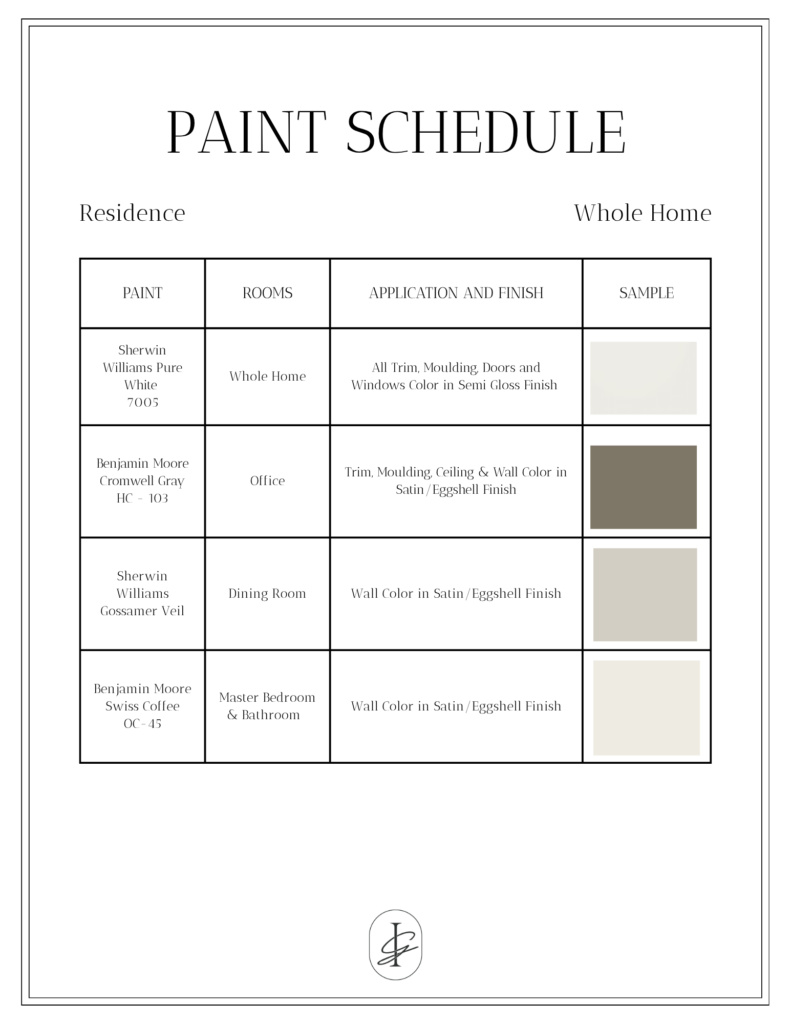
Paint Schedules
Paint seems simple until you’re managing an entire home.
A paint schedule clearly outlines:
- Brand
- Color name and code
- Sheen (which matters more than most people expect)
- Exact location
- Any additional notes or application details
Because “white paint” is never just white paint.
And the difference between the right sheen in the right place can completely change how a space looks and wears over time.
Tile Schedules
Tile is one of the most detail-heavy parts of a project.
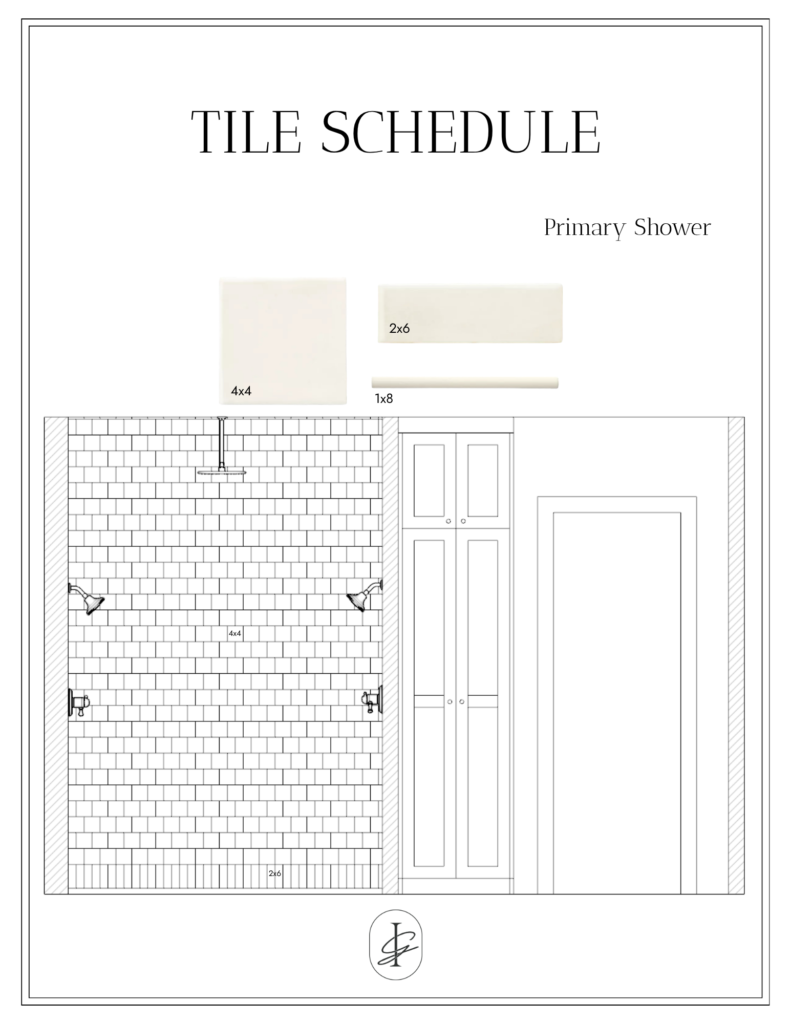
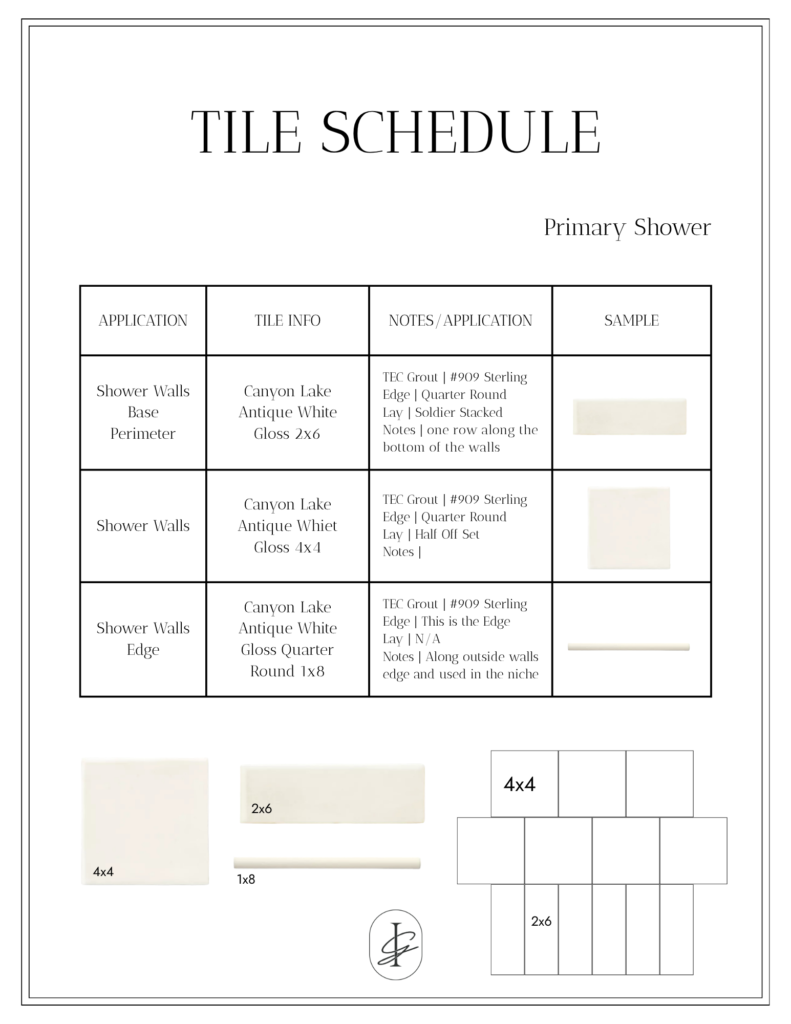
A tile schedule includes:
- Brand and product name
- Color
- Size
- Finish or sheen
- Grout color and type
- Installation pattern
This is especially important because tile isn’t just about the material, it’s about how it’s laid.
The same tile can look completely different depending on the pattern, spacing, and grout choice.
Without a clear schedule, this is one of the easiest places for miscommunication to happen.
Lighting Schedules
Lighting affects both how your home functions and how it feels.
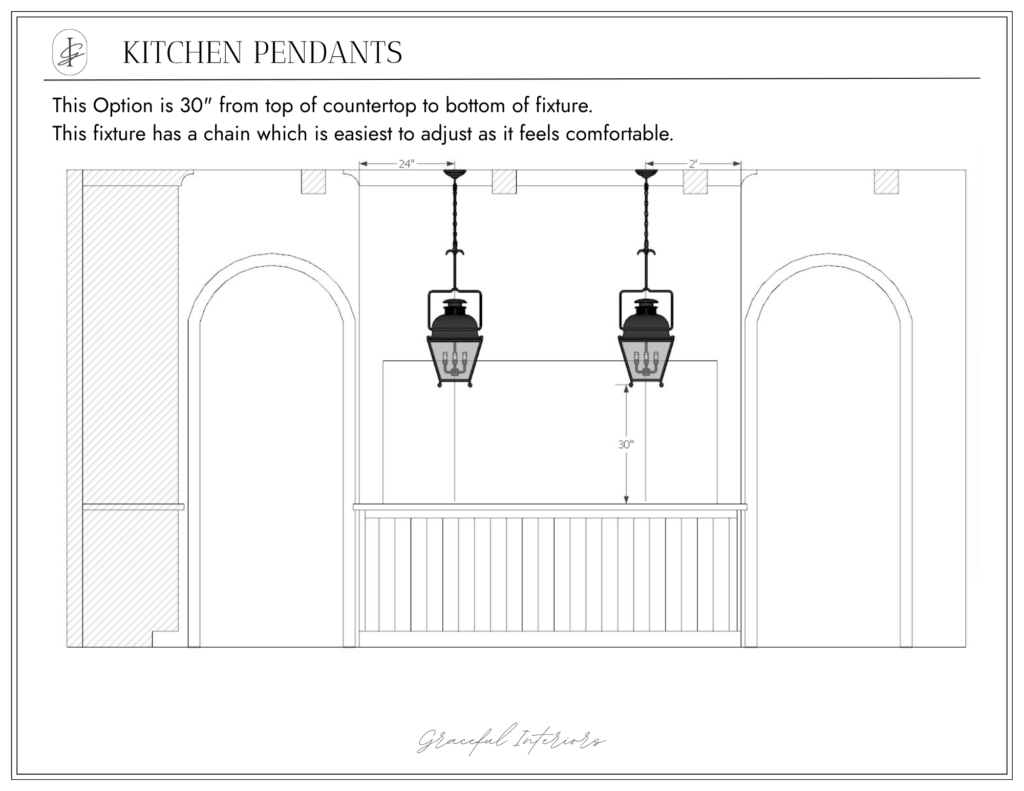
A lighting schedule outlines:
- Fixture brand and model
- Finish
- Location
- Mounting heights
- Key specifications and notes
This ensures that every fixture is installed at the correct height, in the correct place, and aligned with the overall design.
Because even a beautiful light fixture can feel off if it’s installed a few inches too high or too low.
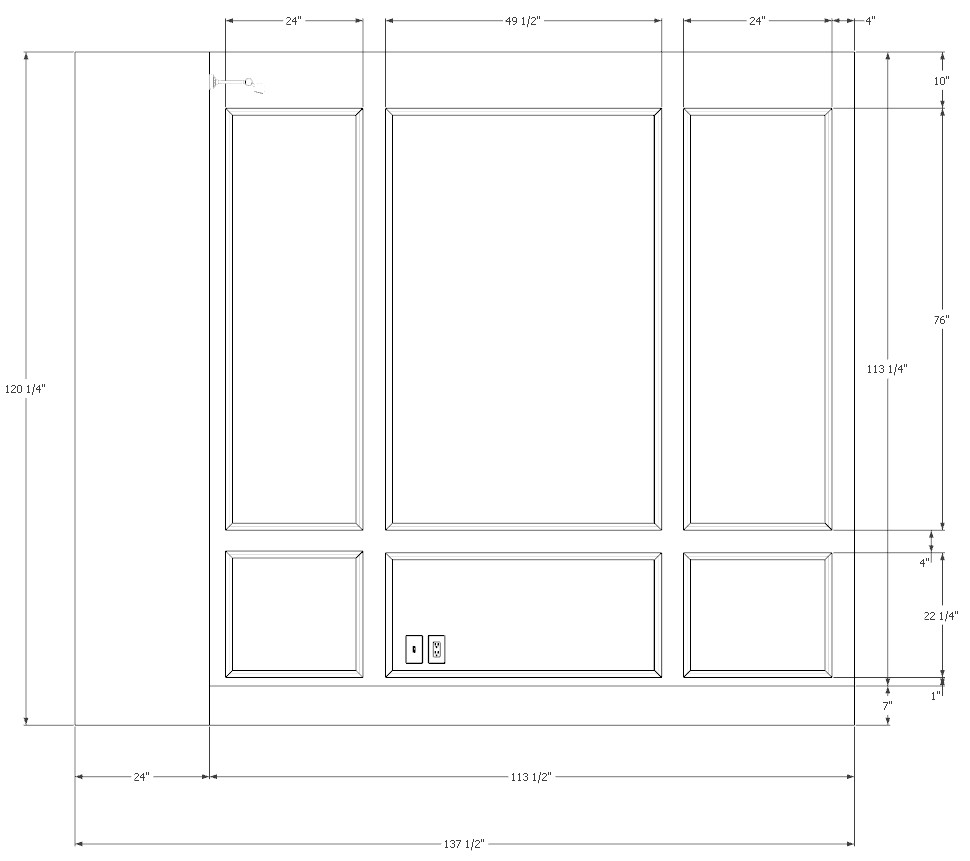
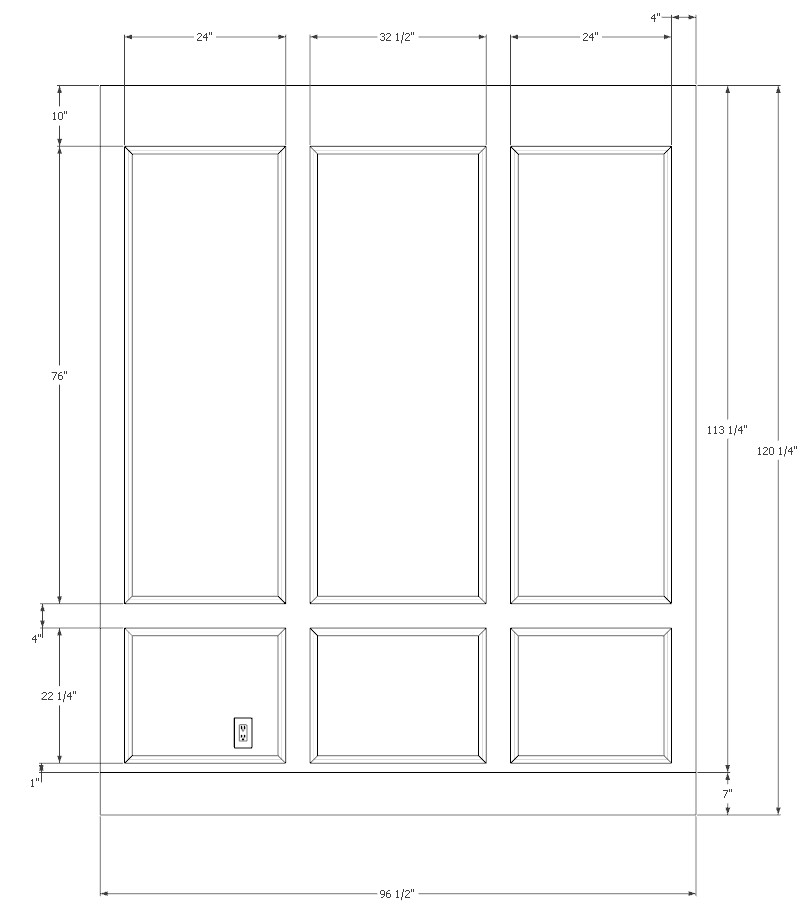
Trim Schedules
Trim is one of those details that quietly defines the character of a home.
A trim schedule includes:
- Moulding profiles and types
- Where each profile is used
- Spacing and layout
- Application details
This creates consistency throughout the home and ensures that every transition, edge, and detail feels intentional.
Why I Prioritize Schedules in Every Project
Schedules take time to create.
They require decisions to be made early, details to be thought through, and everything to be clearly communicated.
But they are one of the most important tools I use to protect my clients’ homes during construction.
They allow:
- Contractors to work with clarity
- Decisions to stay consistent
- The design to be executed as intended
And they remove the need for constant back-and-forth questions on site.
Where This Shows Up During Construction
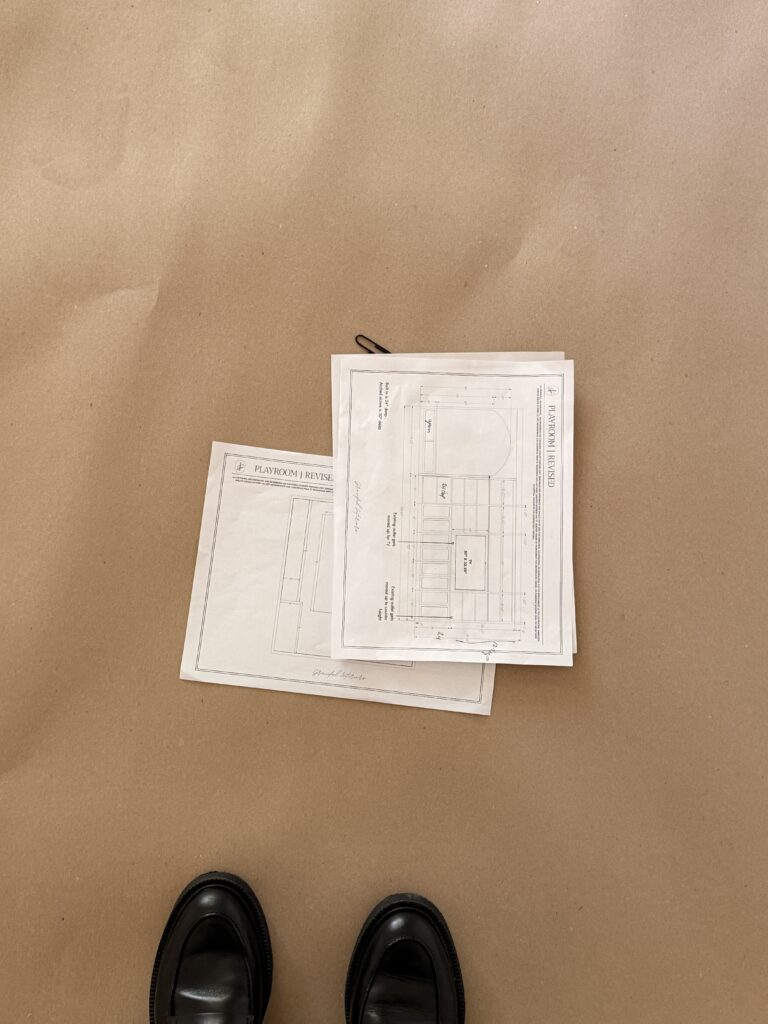
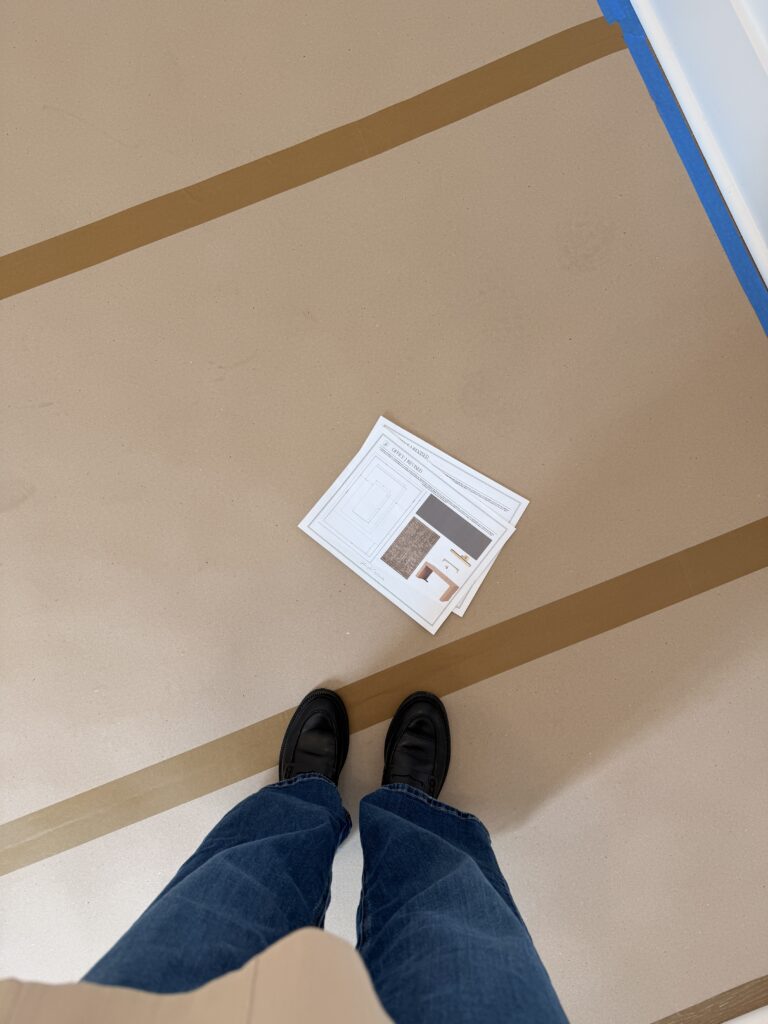
When I’m walking a job site, I’m not starting from scratch every time a question comes up.
We’re referencing schedules.
We’re confirming details.
We’re adjusting thoughtfully when needed, not guessing in the moment.
Because the more that’s decided ahead of time, the smoother construction becomes.
The Part Most People Don’t See
Schedules aren’t the exciting part of design.
They’re not what gets photographed at the end.
But they are a big part of what makes a home feel cohesive, considered, and well-executed.
They’re the structure behind the beauty.
Ready to Start Your Own Project?
If you’re planning a renovation or building a home, having a clear plan is what allows everything to come together without unnecessary stress or miscommunication.
This is something I prioritize in every project, creating detailed schedules and walking through each decision so nothing is left unclear.
If you’re ready to move forward with your project, I’d love to hear what you’re envisioning.
You can reach out to schedule a consultation, and we can talk through your goals, your space, and what it would look like to work together.